Agriculture
Agri Simpaty
The agricultural protocol of O.V.E.P. technology, tested in greenhouses at Lusia, in Italy. Two crops, one season, without conventional antifungal or plant-protection treatments: only structured water and encoded enzymes.
Comparison
Two greenhouses, the same season
From the autumn of 2025 to the March 2026 harvest, two crops, no chemical treatment. At harvest: whole rows, without a single gap. The greenhouses stood side by side. The second case is the witness of pathogen pressure: the result in the treated greenhouse is not explained by a favorable spell of weather.
Azienda Agricola Capato, Lusia, Rovigo · Insalata Gentile and Cavolo Nero
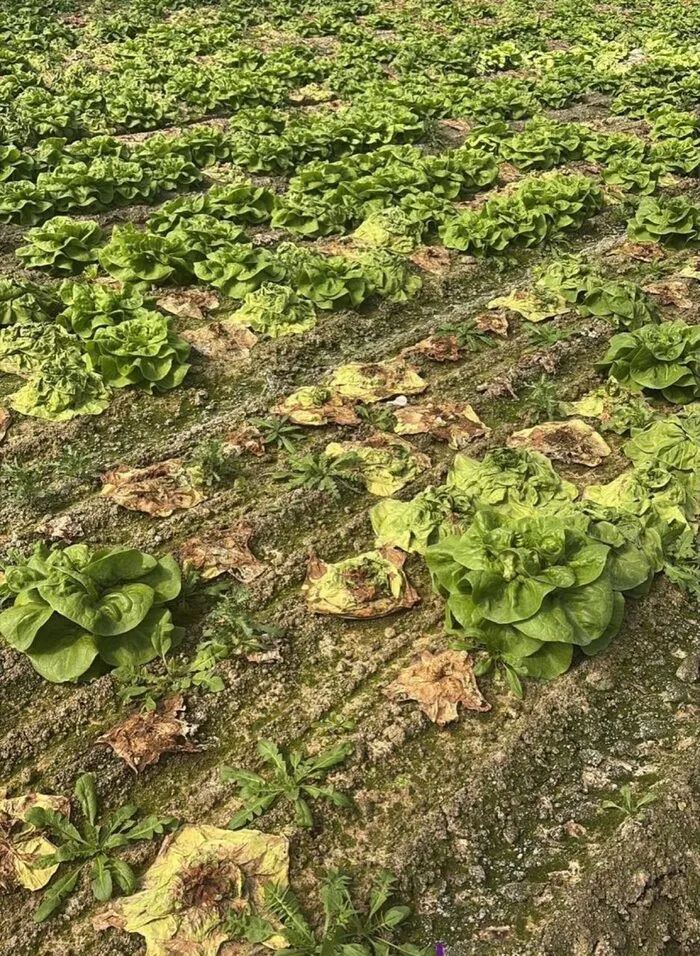
Without O.V.E.P.
Greenhouse with a healthy history
The control greenhouse, considered the "safe zone", grown conventionally. The result: localised collapse of the rows, wide areas with plants rotted at the collar, yellowed.
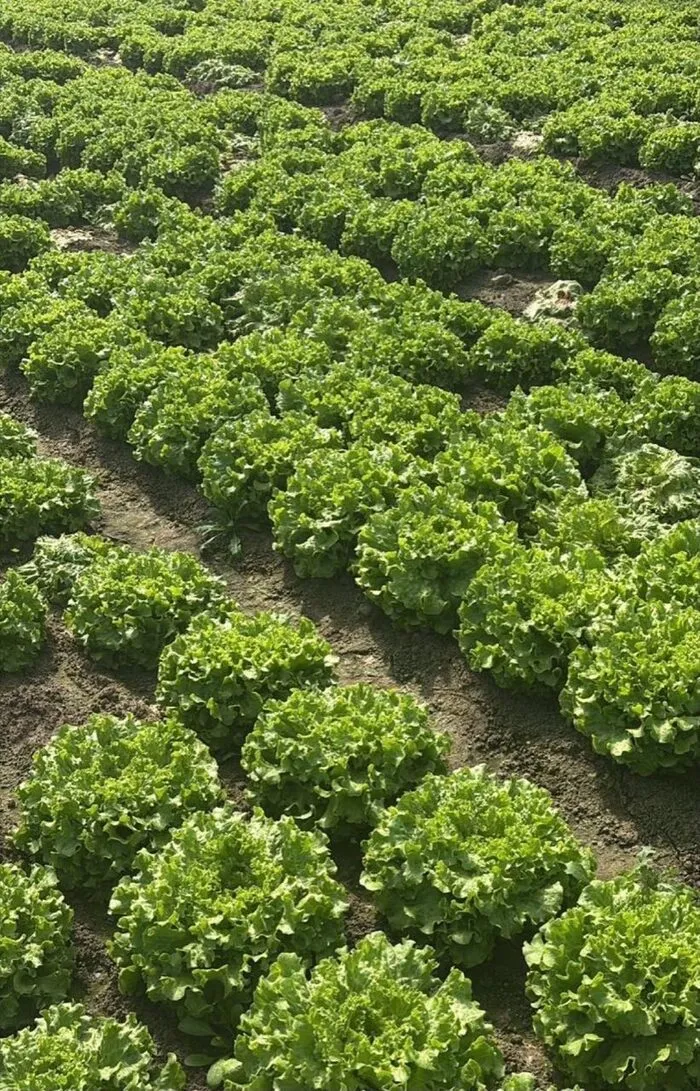
With O.V.E.P.
Tunnel with over 70% losses
The compromised tunnel, with endemic Sclerotinia. After the protocol was introduced: the disease was eradicated from the critical zone. Chemical residues: zero level.
Measured
Three results
0%
Outbreaks of Sclerotinia
In a tunnel where the disease regularly led to the loss of over 70% of the harvest.
Relazione Tecnica · 2023×7
Biophoton emission
On Cavolo Nero leaves, compared with the conventional control, a 600% rise in active photon flux.
0
Chemical residues
No conventional antifungal or plant-protection treatment. Only structured water and encoded enzymes.
Roots
The roots tell the story before the leaves
The same crop, the same season. Only the protocol differs.
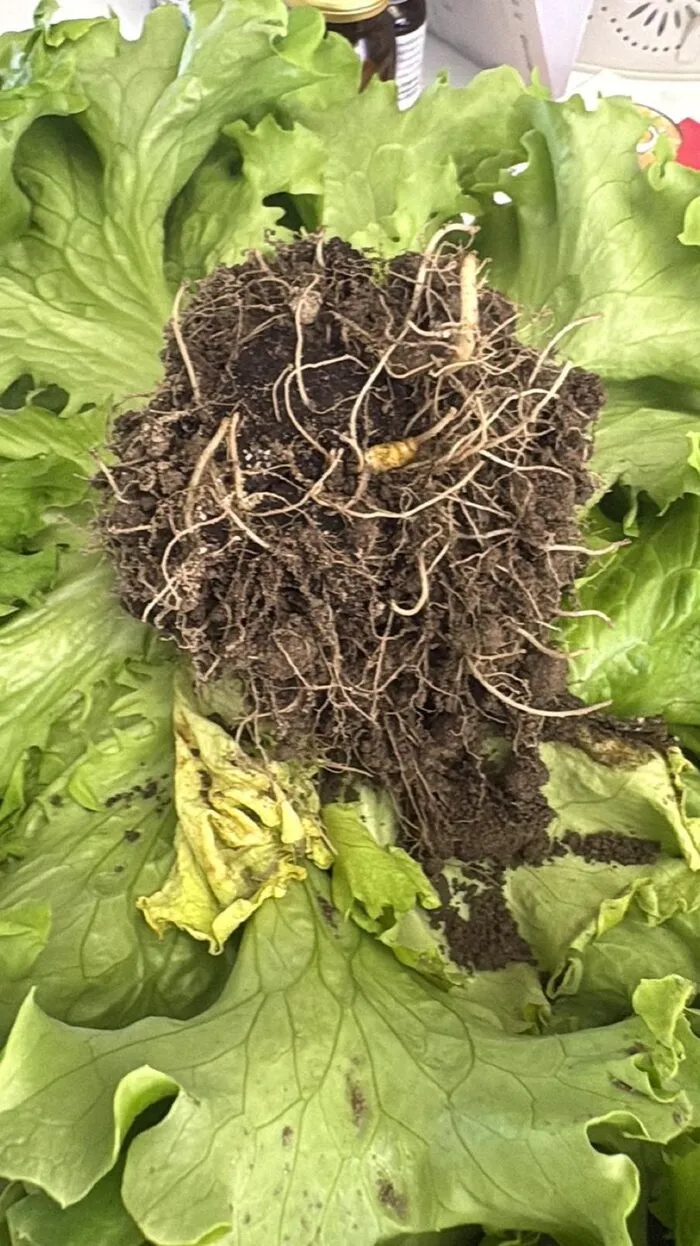
Control · conventional
Thin, sparse, strongly localised. Almost no secondary rootlets. The clod of soil stays compact; the root does not colonise it.
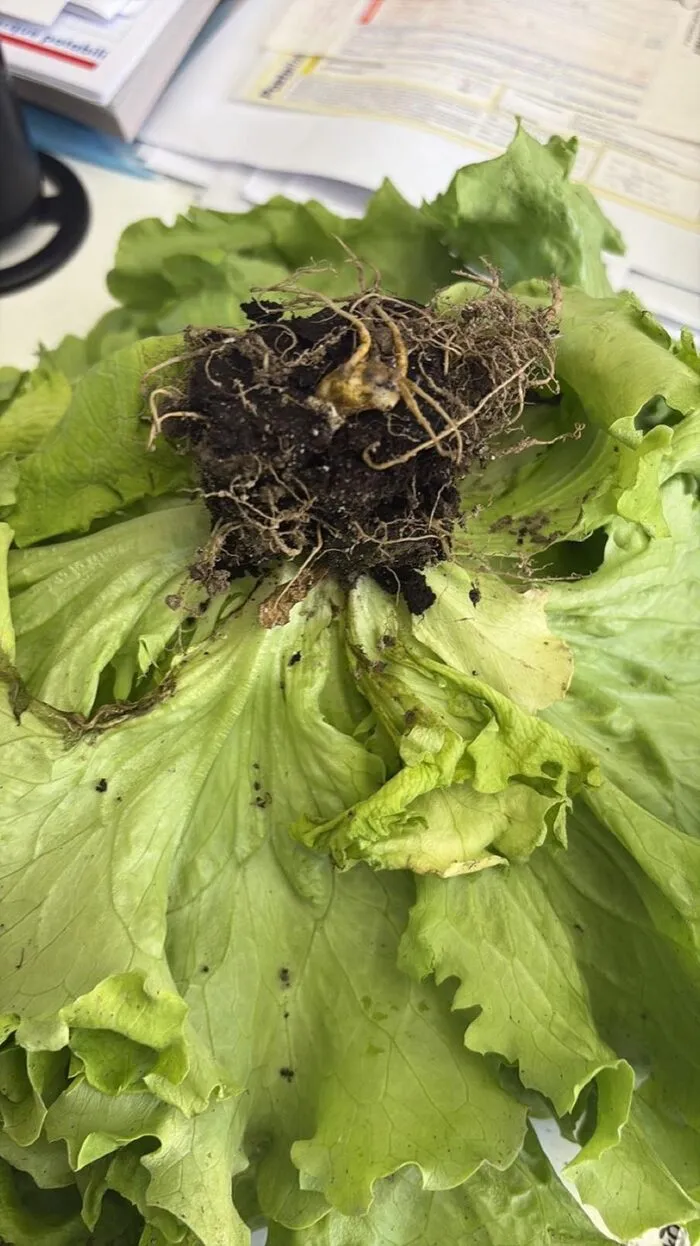
Treated · O.V.E.P.
Massive radial development, a dense capillary network. Thick, turgid, bright white roots that colonise the whole volume of soil available.
Synthesis
All the results, in one table
Cross-validation between the agronomic field observations and the biophysical laboratory measurements. The hypothesis tested: a low-entropy system spends less on defending itself and more on growing.
Methods: Optical Flow algorithms, Entropy Measure Plot traces, comparative optical spectroscopy and spectrometry on leaves planted on the same day.